
Caregiver FAQ (Frequently Asked Questions)
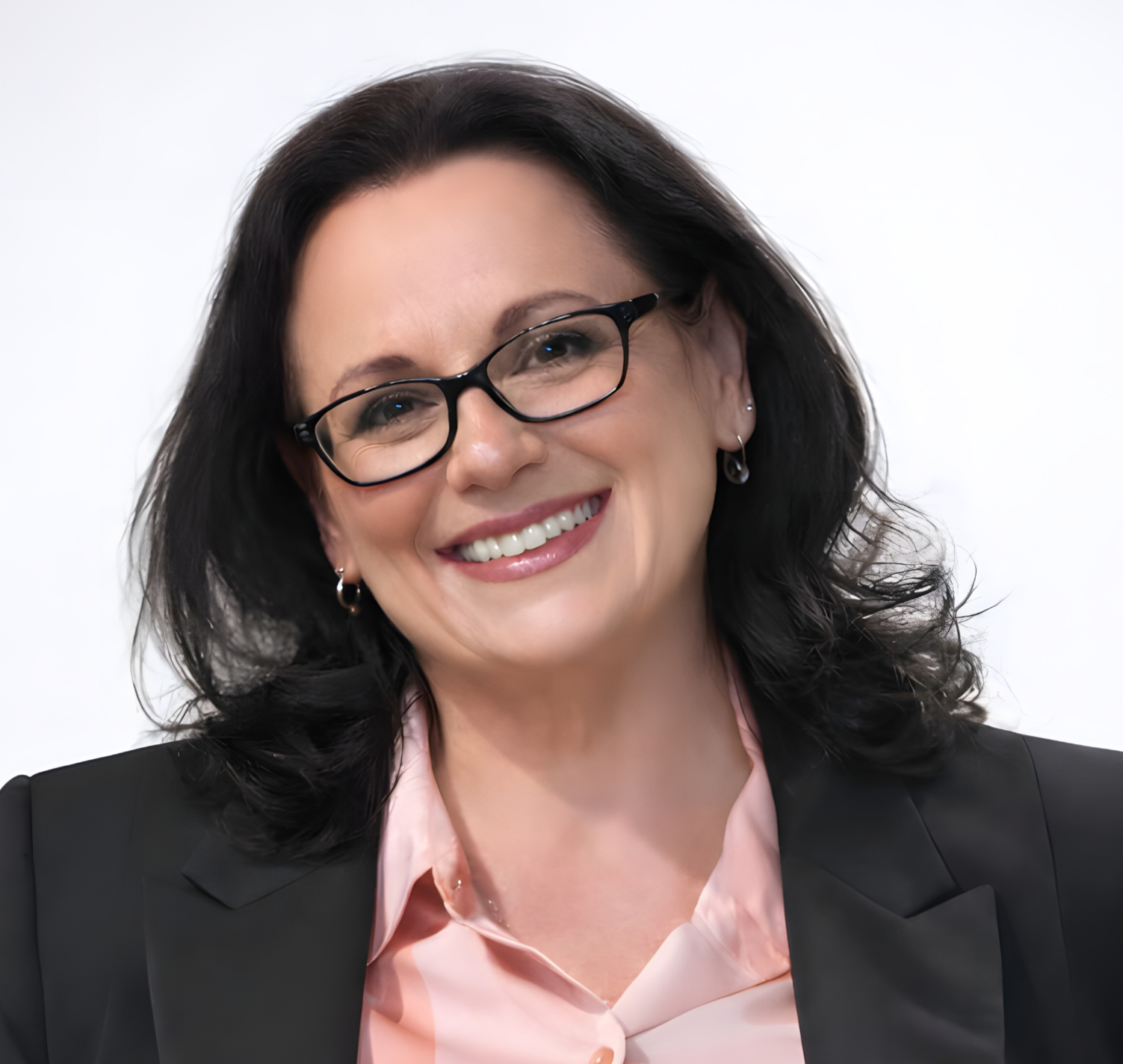
Caregiving comes with questions—sometimes more questions than answers. I know because I lived it. The following is a caregiver FAQ to help answer any questions you may have. You can also contact us directly.
I cared for my husband, Mike, through early-onset dementia. He was diagnosed at 53 and passed at 60, and I kept him at home throughout our journey. During those years, I spent countless hours researching, asking questions, trying different approaches, advocating for him, and learning things I never expected I would need to know.
CareDonna was created so other caregivers don't have to feel like they are trying to figure everything out by themselves.
Below are answers to some of the questions I receive most often.
What is CareDonna?
CareDonna is a caregiver education and support resource created from both lived caregiving experience and continued research.
My goal is to provide caregivers with practical information, resources, tools, and a place where we can talk honestly about what caregiving really looks like.
CareDonna is especially focused on dementia and Alzheimer's caregiving, but many of the resources and conversations can help people caring for aging parents, spouses, family members, and loved ones with other conditions or disabilities.
Who is Donna?
I'm Donna Sparks Farmer, founder of CareDonna, caregiver advocate, and author.
Caregiving became a major part of my life when my husband, Mike, developed early-onset dementia. He was diagnosed at 53 and passed at 60.
For approximately seven years, I cared for him at home and became his caregiver, researcher, advocate, safety monitor, appointment coordinator, medication manager, and sometimes simply the person trying to get us both through another difficult day.
I don't have all the answers. What I do have is experience, and I believe sharing what we learn can make someone else's journey a little easier.
Is CareDonna only for dementia caregivers?
No.
Dementia caregiving is a large part of CareDonna because of my personal experience, but caregivers come in many forms.
You may be caring for a spouse, parent, grandparent, sibling, adult child, friend, or another loved one. You may be helping someone with dementia, Alzheimer's disease, a disability, chronic illness, age-related needs, or another condition that requires ongoing care.
If you are helping care for someone you love, there is a place for you here.
Is CareDonna medical advice?
No.
CareDonna provides educational information, caregiver resources, and information based on personal caregiving experience and research. Nothing on CareDonna.com should replace advice, diagnosis, or treatment from a physician or other qualified healthcare professional.
One thing I learned during my journey with Mike was the importance of asking questions and advocating. Sometimes I had to keep asking until someone listened.
Use the information here to help you prepare questions, understand what you may want to discuss, and become a stronger advocate for yourself and your loved one.
What should I do if my loved one's behavior suddenly changes?
A sudden change should not automatically be assumed to be "just the dementia."
Things such as infections, dehydration, pain, medication changes or interactions, constipation, lack of sleep, and other medical problems can sometimes cause significant changes in behavior or confusion.
If you notice a sudden or significant change, contact the person's healthcare provider. If the situation appears to be an emergency or there is an immediate safety concern, seek emergency medical care.
What can I do if my loved one refuses to bathe?
Bathing can become surprisingly difficult with dementia. A person may be afraid of the water, uncomfortable being undressed, confused about what is happening, sensitive to temperature, embarrassed, or simply unable to understand why you are asking them to bathe.
Sometimes changing the approach works better than trying harder to convince them.
You may need to change the time of day, warm the bathroom first, use towels for privacy, try a handheld showerhead, use no-rinse products, or simply try again later.
The goal isn't winning the argument. The goal is finding the safest and least stressful way to meet their needs.
What should I do when my loved one wants to drive but it is no longer safe?
This can be one of the hardest transitions in dementia caregiving because driving represents independence.
Your loved one may genuinely believe they are still capable of driving. Dementia can affect judgment, reaction time, navigation, attention, and the ability to recognize one's own limitations.
Talk with their healthcare provider about your concerns and ask about a formal driving evaluation when appropriate.
If someone is no longer safe behind the wheel, protecting them and everyone else on the road has to become the priority—even when they don't understand or agree with the decision. Read more here.
How do I handle wandering?
Wandering can become a serious safety concern.
Depending on your loved one's needs, caregivers may consider door alarms, cameras, identification bracelets, GPS trackers, secured outdoor areas, and other safety measures.
It is also important to consider why the person may be wandering. They may believe they need to go to work, find someone, go "home," complete a familiar routine, or respond to something that feels completely real to them.
Mike wandered during our journey, so I understand how frightening this can be. Planning ahead is much easier than trying to create a safety plan during an emergency.
What do I do when my loved one says something that isn't true?
Dementia can change a person's memory and their perception of reality.
They may accuse someone of stealing, believe someone is an intruder, insist they need to go somewhere, or tell a story that you know didn't happen.
Correcting them repeatedly doesn't always help and can sometimes increase fear or agitation.
When there isn't a safety issue involved, I often found it more helpful to respond to the emotion behind what Mike was saying rather than trying to prove that his version of events was wrong.
Sometimes reassurance and redirection accomplish more than being right.
How do I know when it's time for memory care?
There isn't one answer that applies to every family.
Things to consider include wandering, falls, aggression, medication management, nighttime behaviors, the person's ability to perform daily activities, the physical demands of caregiving, and whether the caregiver can continue providing care safely.

Choosing memory care does not mean someone has failed as a caregiver.
Some families care for their loved one at home throughout the entire journey. Others eventually need additional help or residential care. Every family's circumstances, finances, health, support system, and loved one's needs are different.
The safest and most appropriate decision for your family is the one that matters.
How do I find memory care near me?
CareDonna is building a local caregiver resource and memory care directory to make the search easier for families.
Our directories provide contact information for communities in different cities so caregivers have a starting point for their own research.
Always contact a community directly to verify current services, pricing, availability, licensing, levels of care, and other information before making a decision.
What questions should I ask a neurologist or doctor?
Write your questions down before the appointment.
Ask about changes you have noticed in memory, behavior, sleep, mobility, appetite, medications, hallucinations, agitation, safety, and daily functioning.
Also ask what changes should prompt a phone call, what symptoms require immediate medical attention, what you should expect as the condition progresses, and what resources are available for the caregiver.
Most importantly, tell the doctor what you are seeing at home.
A short office visit doesn't always show what life looks like during the other hours of the day.
What if the doctor doesn't seem to listen to me?
Keep advocating.
During our journey, I sometimes found that our GP was more helpful with certain day-to-day concerns than the specialists were because he listened to what I was seeing at home.
You are with your loved one far more than most medical professionals are. Your observations can be extremely valuable.
Keep notes. Track changes. Write down examples. Bring your concerns to appointments. If you believe something important is being overlooked, continue asking questions or seek another qualified medical opinion when appropriate.
How do caregivers deal with exhaustion and burnout?
There isn't a simple answer because sometimes caregivers can't just "take a break."
I remember how small my world became. Everything revolved around what Mike needed, whether he was safe, what might happen next, and whether I could leave him even for a short period of time.
Accept help when trustworthy help is available. Tell people specifically what you need instead of waiting for them to guess. Talk to other caregivers who understand. And remember that caregiver health matters too.
You cannot always control how difficult caregiving becomes, but you shouldn't have to carry every part of it silently.
Is it normal to grieve someone who is still alive?
Yes. This is often called anticipatory grief.
With progressive conditions such as dementia, caregivers can experience many losses long before physical death—the loss of conversations, independence, shared responsibilities, plans, intimacy, recognition, and the relationship as it once existed.
I often describe my experience by saying that I lost Mike years before I lost him physically.
You can love someone deeply, be thankful they are still with you, and still grieve what the disease has taken away.
Those feelings can exist at the same time.
Where can I find CareDonna caregiver tools and resources?
CareDonna.com continues to grow with caregiver articles, practical resources, directories, books, planning tools, and information created to help caregivers navigate everyday challenges.
New resources are added as I continue listening to caregivers and learning what families need most.
Can I suggest a topic for CareDonna?
Absolutely.
Some of the most important conversations begin with a caregiver saying, "Is anyone else dealing with this?"
If there is something you're struggling with or a subject you believe other caregivers need to talk about, I want to hear about it.
Your question may be the same question another caregiver has been afraid to ask.
Can I share CareDonna information with another caregiver?
Yes. Please share links to CareDonna.com articles and resources with caregivers, family members, support groups, and others who may benefit from them.
My goal is for useful information to reach the people who need it.
Does CareDonna recommend specific doctors, facilities, medications, or treatments?
CareDonna may provide directories, educational information, products, resources, or information about services that caregivers may want to investigate.
However, inclusion on CareDonna.com should not automatically be considered an endorsement or guarantee.
Caregivers should independently research providers, facilities, products, treatments, and services and consult appropriate professionals before making healthcare, legal, financial, or caregiving decisions.
Are some CareDonna links affiliate links?
Some links on CareDonna.com may be affiliate links. This means CareDonna may earn a small commission if you make a qualifying purchase through one of those links, at no additional cost to you.
Affiliate relationships do not change my goal: to share resources that I believe may genuinely be useful to caregivers.
Can CareDonna help me in an emergency?
CareDonna is not an emergency service.
If you or your loved one is experiencing a medical emergency, is missing, is in immediate danger, or there is an immediate threat to someone's safety, contact the appropriate emergency services in your area.
Do not wait for a response from CareDonna or rely on website information during an emergency.
Still Have a Question?
Caregiving can make you feel like you're living in a world that nobody else understands.
I understand more of that world than I ever expected to.
If you don't see your question here, reach out to CareDonna or join the conversation with our caregiver community. Your question matters, and chances are another caregiver has wondered the very same thing.
We're learning from one another, supporting one another, and trying to make this journey a little less lonely.
💜 CareDonna 💜
CareDonna provides educational information and caregiver support resources. Content on this website is not intended to provide medical, legal, financial, or other professional advice and should not replace consultation with qualified professionals.